Select a compound to read what it is, how it works, and what preclinical research has explored. Reference material for qualified researchers only. Nothing here describes or recommends human use.
Gastric-derived signaling peptide
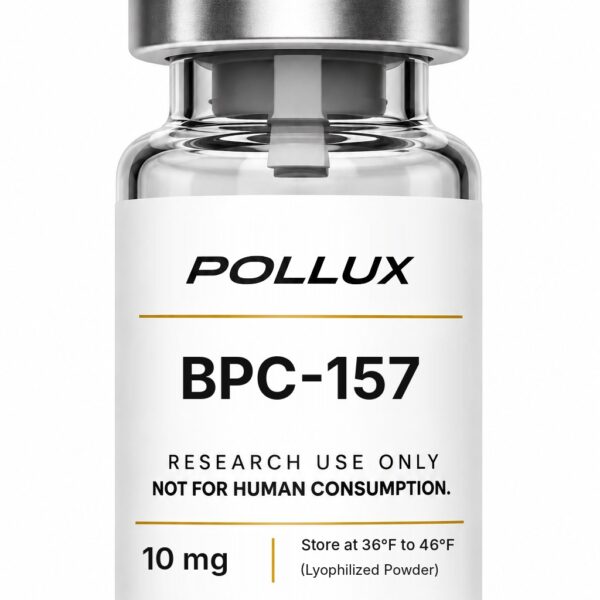
BPC-157
BPC-157 is a synthetic signaling peptide derived from a naturally occurring gastric protein. Unlike hormones or steroids, it acts locally and systemically to support the body’s natural recovery pathways. Preclinical research suggests it promotes blood flow, collagen synthesis, and tissue regeneration in tendons, ligaments, muscles, and the digestive tract.
For laboratory research use only. Not for human or veterinary use. These statements have not been evaluated by the FDA.
Actin-regulating repair peptide
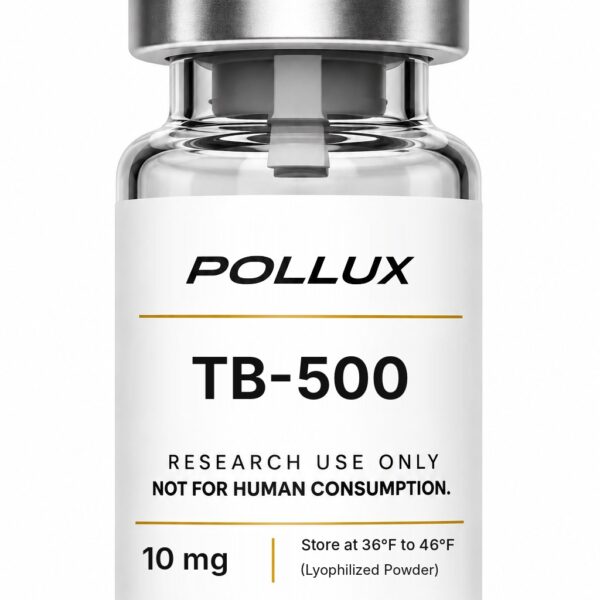
TB-500
TB-500 is a synthetic signaling peptide derived from the active actin-binding region of Thymosin Beta-4, an endogenous protein involved in cellular repair and regeneration. Unlike localized treatments, it circulates systemically to help regulate actin—a structural protein essential for cell movement, blood vessel formation, and tissue rebuilding. Preclinical research suggests it supports soft-tissue recovery, joint flexibility, and reduced inflammatory signaling across muscles, tendons, and ligaments.
For laboratory research use only. Not for human or veterinary use. These statements have not been evaluated by the FDA.
Complementary repair pairing
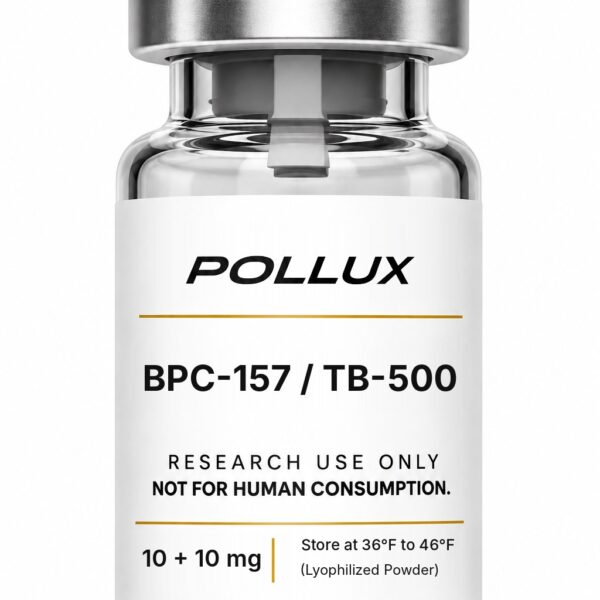
BPC-157 / TB-500
The BPC-157 / TB-500 blend combines two of the most widely studied repair-focused research peptides in a single vial. BPC-157 is studied for its localized effects on blood-vessel growth and collagen formation, while TB-500 acts systemically through actin regulation and cell migration. Researchers investigate the pair together for potentially complementary effects in soft-tissue, tendon, and ligament repair models.
For laboratory research use only. Not for human or veterinary use. These statements have not been evaluated by the FDA.
Copper-binding remodeling peptide
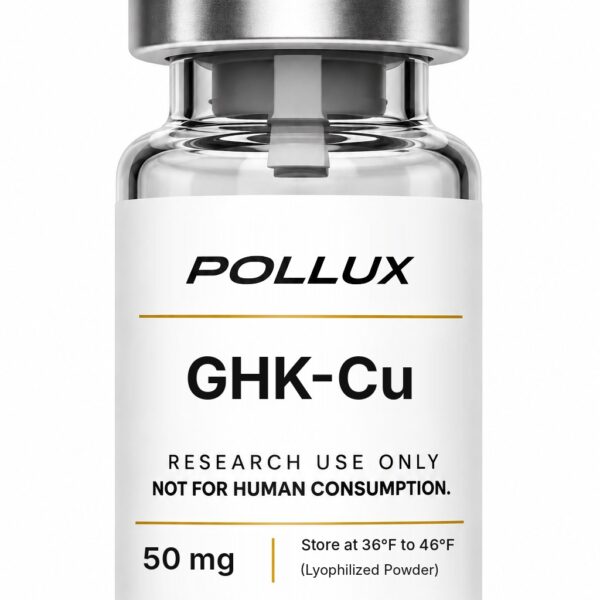
GHK-Cu
GHK-Cu is a naturally occurring copper-binding tripeptide (glycyl-L-histidyl-L-lysine) first isolated from human plasma, where its levels decline with age. Its strong affinity for copper ions allows it to deliver copper to cells and influence enzymes involved in tissue remodeling. Preclinical and in-vitro research suggests it stimulates collagen and glycosaminoglycan synthesis, supports wound repair and antioxidant activity, and modulates genes tied to skin and connective-tissue regeneration.
For laboratory research use only. Not for human or veterinary use. These statements have not been evaluated by the FDA.
Growth hormone–releasing hormone analog
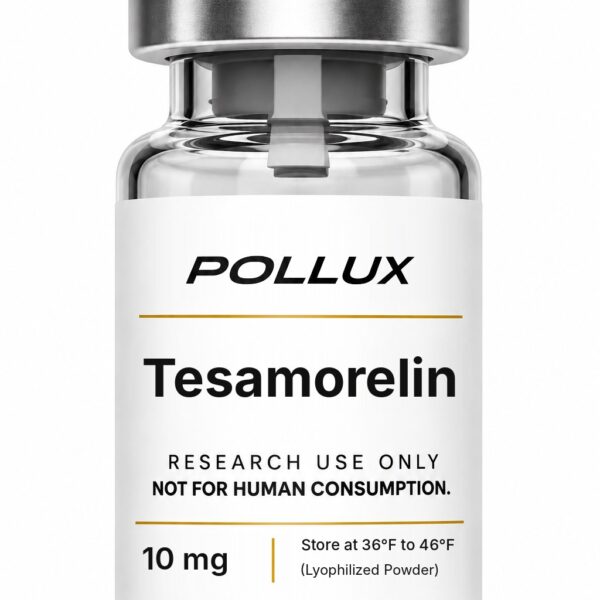
Tesamorelin
Tesamorelin is a synthetic analog of growth hormone–releasing hormone (GHRH), the hypothalamic peptide that signals the pituitary gland to release growth hormone. A trans-3-hexenoyl group added to its N-terminus makes it more resistant to enzymatic breakdown than native GHRH. It has been studied for its effects on visceral adipose tissue, and research continues into its role in IGF-1 signaling, body composition, and metabolic regulation.
For laboratory research use only. Not for human or veterinary use. These statements have not been evaluated by the FDA.
Tirzepatide · dual incretin agonist
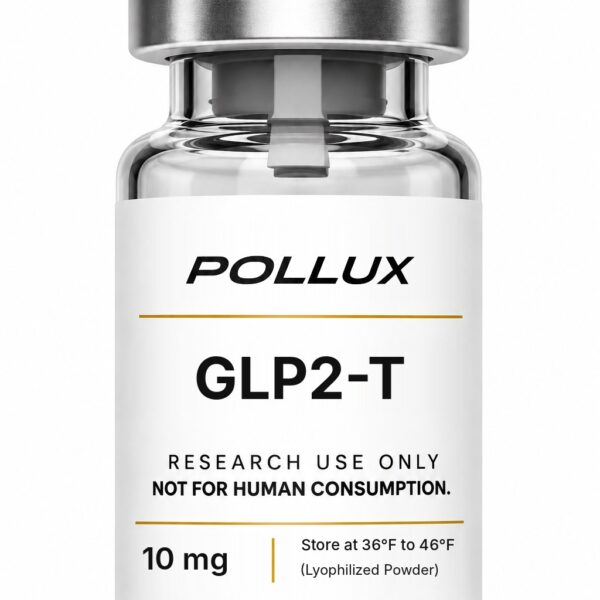
GLP2-T
GLP2-T (tirzepatide) is a synthetic 39-amino-acid peptide engineered to activate two incretin receptors at once: GIP (glucose-dependent insulinotropic polypeptide) and GLP-1 (glucagon-like peptide-1). These gut-derived hormones help regulate insulin secretion, glucose handling, and appetite signaling. A fatty-acid side chain allows it to bind albumin in circulation, greatly extending its half-life. Research has explored its effects on glycemic control, body weight, and broader metabolic markers.
For laboratory research use only. Not for human or veterinary use. These statements have not been evaluated by the FDA.
Retatrutide · triple incretin agonist
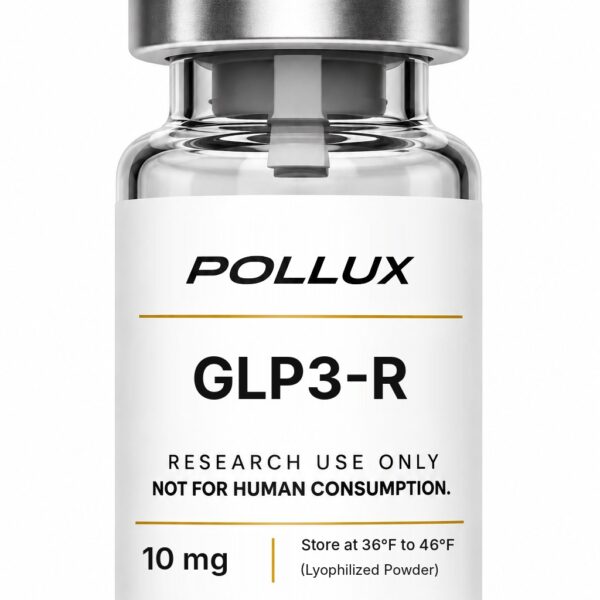
GLP3-R
GLP3-R (retatrutide) is a synthetic 39-amino-acid peptide designed to activate three hormone receptors at once: GIP, GLP-1 and glucagon. GIP and GLP-1 are gut-derived incretins that regulate insulin release and appetite signaling, while glucagon-receptor activity increases energy expenditure and fat metabolism in the liver. A fatty-acid side chain extends its half-life. Research has explored its effects on body weight, glycemic control, liver fat and broader metabolic markers.
For laboratory research use only. Not for human or veterinary use. These statements have not been evaluated by the FDA.
Mitochondrial metabolic signaling peptide
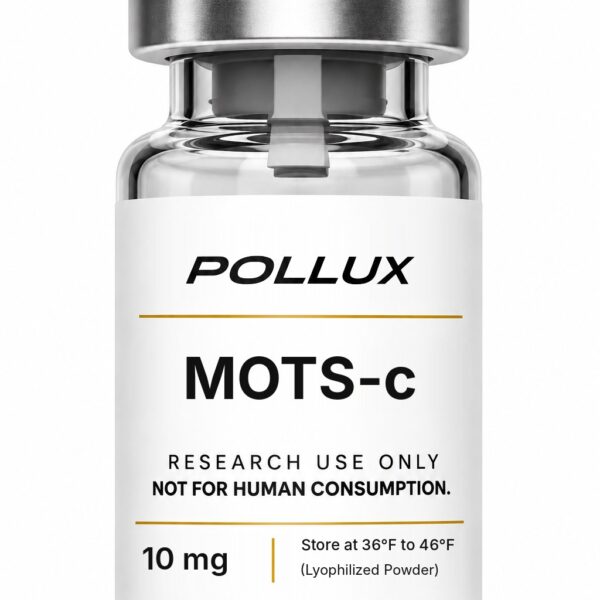
MOTS-c
MOTS-c is a 16-amino-acid peptide encoded within mitochondrial DNA rather than the nuclear genome, making it one of the first mitochondrial-derived peptides ever identified. It acts as a signaling molecule between the mitochondria and the nucleus, influencing the AMPK pathway that governs cellular energy balance. Preclinical research suggests it improves insulin sensitivity, supports metabolic flexibility and exercise capacity, and may counter age-related metabolic decline.
For laboratory research use only. Not for human or veterinary use. These statements have not been evaluated by the FDA.
GHK-Cu · BPC-157 · TB-500
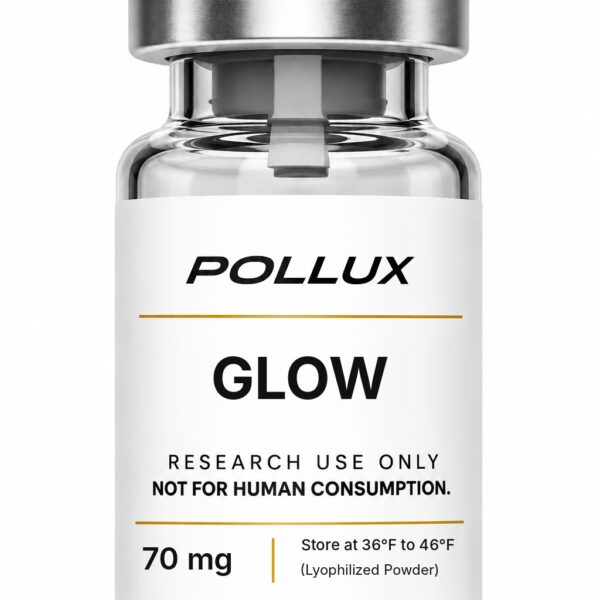
GLOW
GLOW is a three-peptide research blend combining GHK-Cu, BPC-157 and TB-500 in a single vial. GHK-Cu is studied for its role in collagen synthesis and skin remodeling, while BPC-157 and TB-500 are studied for blood-vessel formation, cell migration and tissue repair. Together, the blend is researched for complementary effects in skin, wound-healing and connective-tissue models.
For laboratory research use only. Not for human or veterinary use. These statements have not been evaluated by the FDA.
GHK-Cu · BPC-157 · TB-500 · KPV
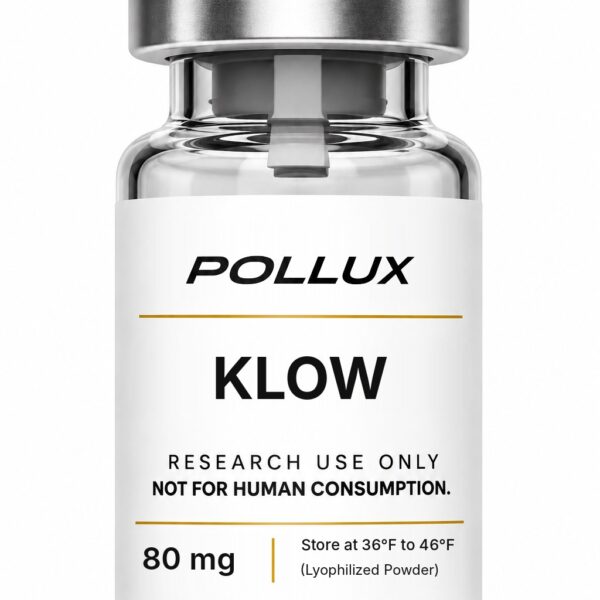
KLOW
KLOW builds on the GLOW blend by adding KPV, a tripeptide (Lys-Pro-Val) derived from the C-terminal end of alpha-melanocyte-stimulating hormone. KPV is studied for its anti-inflammatory signaling, particularly in gut and skin models. Combined with GHK-Cu, BPC-157 and TB-500, the blend is researched for complementary effects on tissue repair, remodeling and inflammatory response.
For laboratory research use only. Not for human or veterinary use. These statements have not been evaluated by the FDA.
Nicotinamide adenine dinucleotide
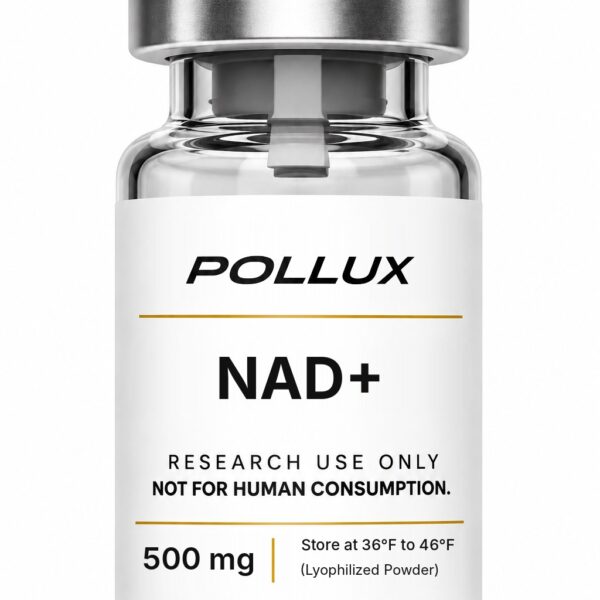
NAD+
NAD+ (nicotinamide adenine dinucleotide) is a coenzyme found in every living cell and central to energy metabolism, where it carries electrons in the reactions that produce ATP. It is also a required substrate for sirtuins and PARP enzymes involved in DNA repair and cellular stress responses. NAD+ levels decline with age, and preclinical research explores how restoring them affects mitochondrial function, metabolic health and cellular aging.
For laboratory research use only. Not for human or veterinary use. These statements have not been evaluated by the FDA.
Tesamorelin · Ipamorelin
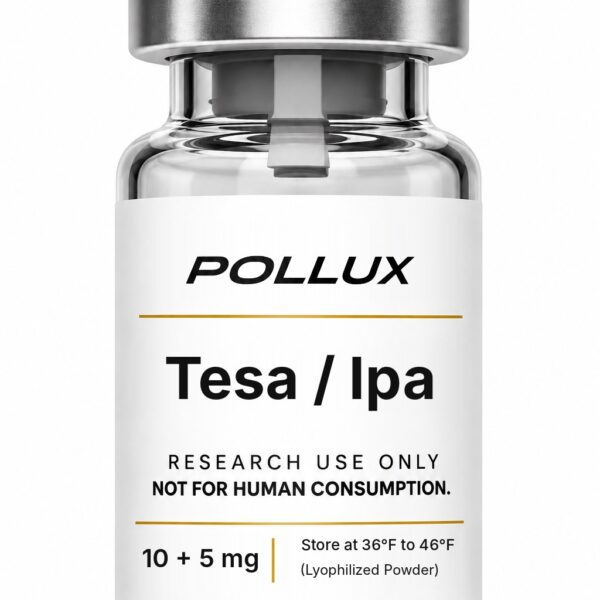
Tesa + Ipa
This pre-blended vial pairs tesamorelin, a growth hormone–releasing hormone (GHRH) analog, with ipamorelin, a selective agonist of the ghrelin receptor (GHS-R1a). Because they act on two separate pituitary pathways, the pair is studied together for complementary, pulsatile growth hormone release. Ipamorelin is noted in research for its selectivity, with minimal effect on cortisol or prolactin.
For laboratory research use only. Not for human or veterinary use. These statements have not been evaluated by the FDA.
Small-molecule NNMT inhibitor
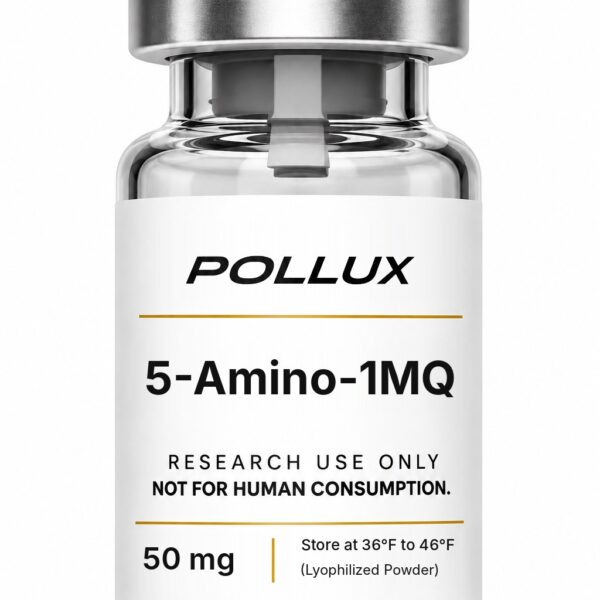
5-Amino-1MQ
5-Amino-1MQ is a small, membrane-permeable quinolinium compound that selectively inhibits nicotinamide N-methyltransferase (NNMT), an enzyme highly expressed in fat tissue. By blocking NNMT, it helps preserve cellular NAD+ and SAM (S-adenosylmethionine) pools that NNMT would otherwise consume. Preclinical research suggests it increases cellular energy expenditure, reduces fat-cell size and lipid accumulation, and may support muscle stem-cell activity in aging models.
For laboratory research use only. Not for human or veterinary use. These statements have not been evaluated by the FDA.
Modified growth hormone fragment
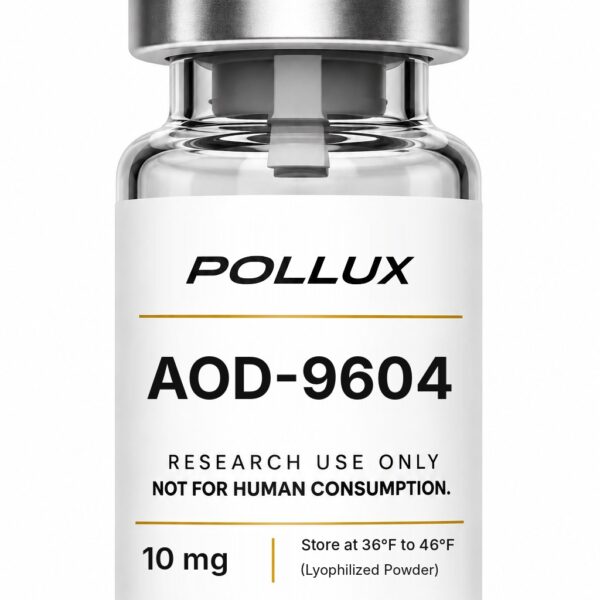
AOD-9604
AOD-9604 is a synthetic peptide based on amino acids 176–191 of the C-terminal end of human growth hormone, with an added tyrosine for stability. It was developed to isolate the fat-metabolizing region of growth hormone without its effects on growth, IGF-1 or blood sugar. Preclinical research suggests it stimulates lipolysis (fat breakdown) and inhibits lipogenesis (fat formation), and it has also been studied for possible roles in cartilage repair.
For laboratory research use only. Not for human or veterinary use. These statements have not been evaluated by the FDA.
Acylated amylin analog
Cagrilintide
Cagrilintide is a synthetic, long-acting analog of amylin, a hormone released from the pancreas alongside insulin after meals. A fatty-acid side chain allows it to bind albumin, extending its half-life for sustained activity at amylin and calcitonin receptors. Amylin signaling slows gastric emptying and acts on brain satiety centers, and research has explored cagrilintide for its effects on appetite, food intake and body weight, alone and alongside GLP-1 agonists.
For laboratory research use only. Not for human or veterinary use. These statements have not been evaluated by the FDA.
Anti-inflammatory tripeptide
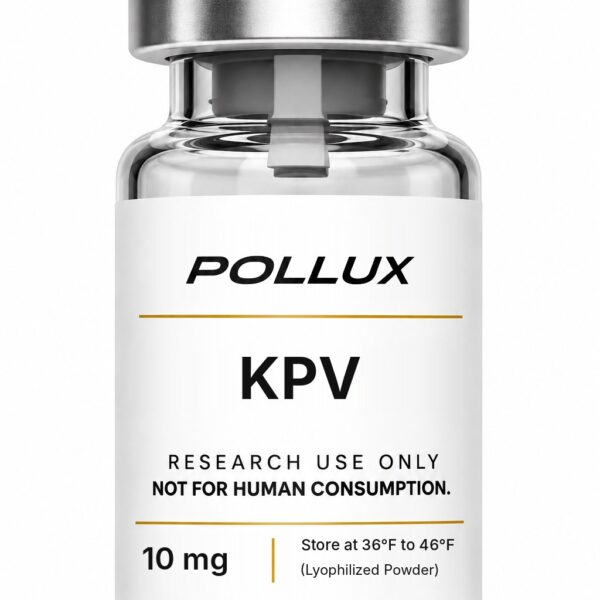
KPV
KPV is a naturally occurring tripeptide (lysine–proline–valine) taken from the C-terminal end of alpha-melanocyte-stimulating hormone (α-MSH), the region responsible for much of its anti-inflammatory activity. Its small size allows it to enter cells through the PepT1 transporter, where it dampens NF-κB inflammatory signaling. Preclinical research suggests it reduces inflammatory cytokines and supports tissue healing, particularly in gut, skin and wound models.
For laboratory research use only. Not for human or veterinary use. These statements have not been evaluated by the FDA.
Melanotan-1 · afamelanotide
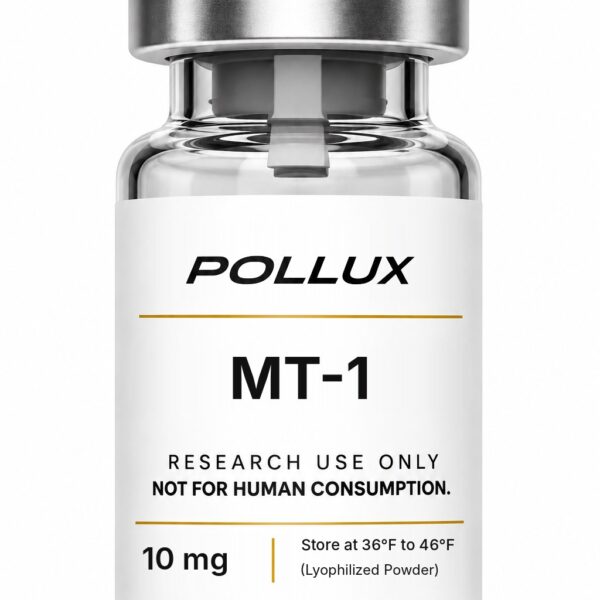
MT-1
MT-1 (Melanotan-1, also known as afamelanotide) is a synthetic analog of alpha-melanocyte-stimulating hormone (α-MSH), the body’s natural signal for melanin production. Two amino-acid substitutions make it far more stable and potent than native α-MSH. It binds selectively to the melanocortin-1 receptor (MC1R) on pigment cells, and research has focused on its ability to stimulate eumelanin production and photoprotection in skin.
For laboratory research use only. Not for human or veterinary use. These statements have not been evaluated by the FDA.
Melanotan-2 · melanocortin agonist
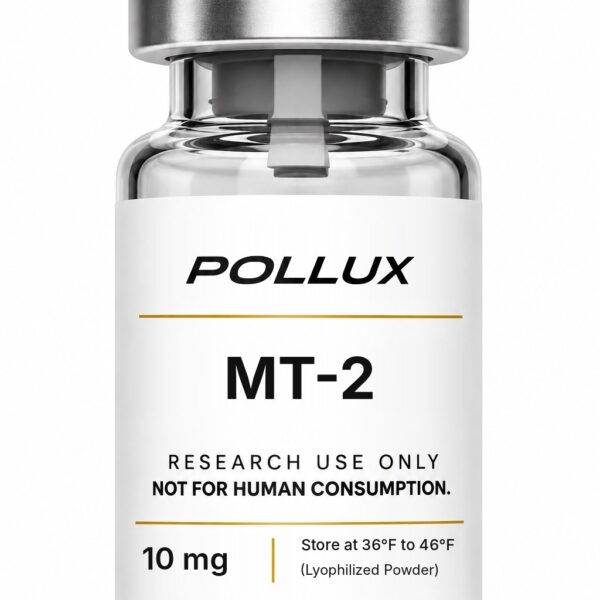
MT-2
MT-2 (Melanotan-2) is a shorter, cyclic analog of alpha-melanocyte-stimulating hormone (α-MSH). Its ring structure makes it highly stable, and unlike MT-1 it acts broadly across several melanocortin receptors (MC1R, MC3R, MC4R and others) rather than MC1R alone. Research has explored its effects on skin pigmentation as well as melanocortin signaling involved in appetite and sexual-function pathways.
For laboratory research use only. Not for human or veterinary use. These statements have not been evaluated by the FDA.
Anxiolytic research peptide
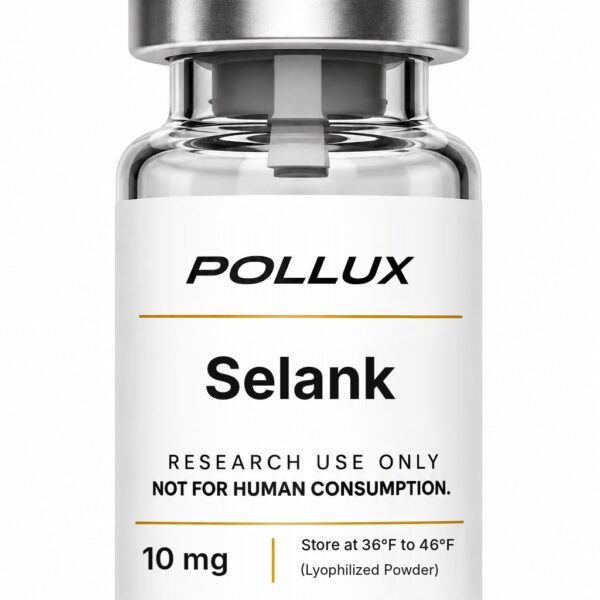
Selank
Selank is a synthetic heptapeptide developed in Russia, based on tuftsin, a naturally occurring immunomodulatory peptide, with a Pro-Gly-Pro extension that increases its stability. It is studied for its influence on GABAergic signaling, serotonin and dopamine metabolism, and brain-derived neurotrophic factor (BDNF). Preclinical research suggests anxiety-reducing effects without sedation, along with possible support for memory, attention and immune regulation.
For laboratory research use only. Not for human or veterinary use. These statements have not been evaluated by the FDA.
Neuroactive research peptide
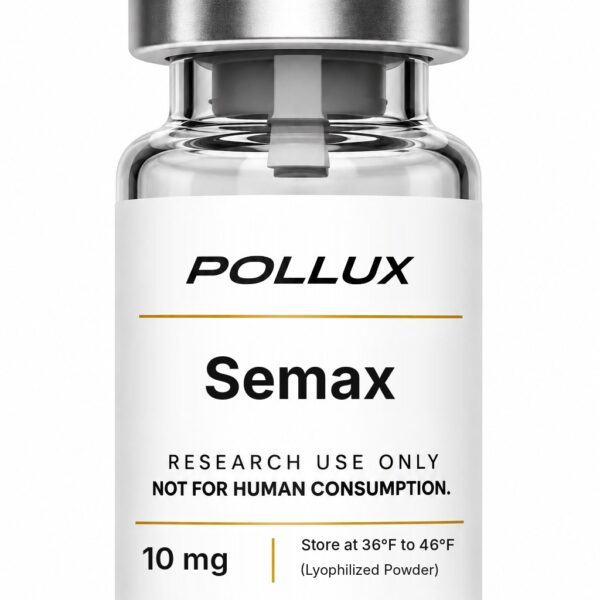
Semax
Semax is a synthetic heptapeptide derived from the ACTH(4–10) fragment of adrenocorticotropic hormone, with a Pro-Gly-Pro extension for stability. Unlike full ACTH, it has no hormonal effect on the adrenal glands. Research has focused on its neuroprotective and cognitive effects, including increased expression of brain-derived neurotrophic factor (BDNF), and it has been studied in models of stroke recovery, memory and attention.
For laboratory research use only. Not for human or veterinary use. These statements have not been evaluated by the FDA.
CJC-1295 (no DAC) · Ipamorelin
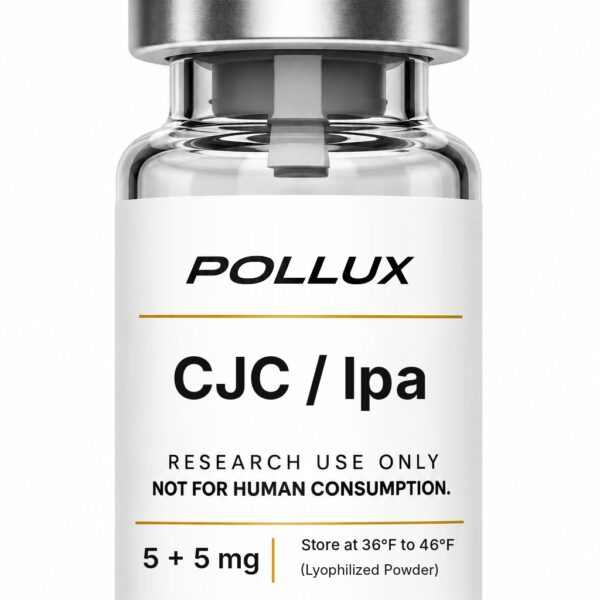
CJC + Ipa
This pre-blended vial pairs CJC-1295 without DAC (also called Mod GRF 1–29), a modified GHRH analog with a short half-life, with ipamorelin, a selective ghrelin-receptor agonist. CJC-1295 acts on the GHRH receptor while ipamorelin acts on the ghrelin receptor, so the pair is studied together for complementary, pulsatile growth hormone release that mirrors natural rhythms. Ipamorelin is noted for its selectivity, with minimal effect on cortisol or prolactin.
For laboratory research use only. Not for human or veterinary use. These statements have not been evaluated by the FDA.
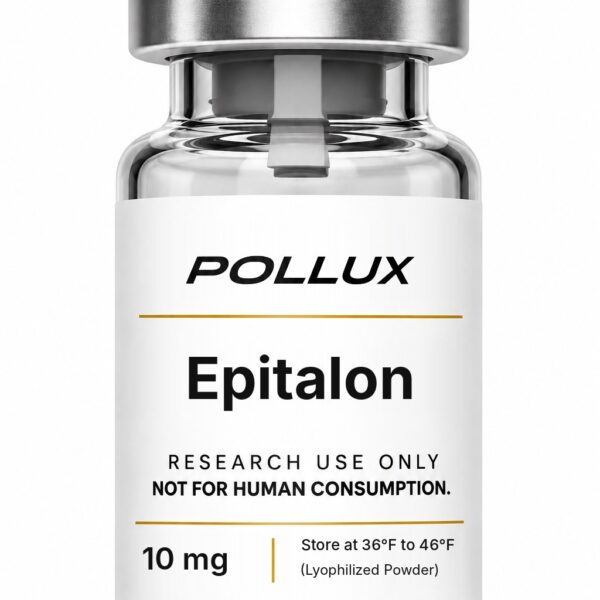
Epithalon · telomerase research peptide
Epitalon
Epitalon (also spelled Epithalon) is a synthetic four-amino-acid peptide (Ala-Glu-Asp-Gly) modeled on epithalamin, a natural extract of the pineal gland. It was developed by Russian gerontologist Vladimir Khavinson as part of his research into short-chain peptide bioregulators. Preclinical research suggests it activates telomerase, the enzyme that maintains telomeres at the ends of chromosomes, and it has been studied for its effects on melatonin rhythms, antioxidant defenses and markers of cellular aging.
For laboratory research use only. Not for human or veterinary use. These statements have not been evaluated by the FDA.
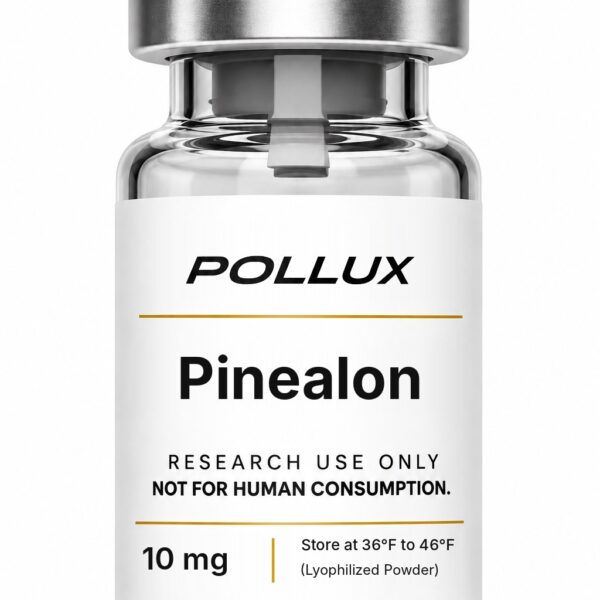
Neural bioregulator peptide
Pinealon
Pinealon is a synthetic three-amino-acid peptide (Glu-Asp-Arg) from the Khavinson family of short-chain bioregulators. Its very small size is thought to let it cross cell and nuclear membranes and interact directly with DNA to influence gene expression. Preclinical research has focused on its neuroprotective effects, including reduced oxidative stress and cell death in neurons, with studies exploring its role in memory, cognitive function and brain aging.
For laboratory research use only. Not for human or veterinary use. These statements have not been evaluated by the FDA.
Research use only. All products sold by Pollux Peptides are intended solely for in-vitro laboratory research. They are not drugs, food or dietary supplements, have not been evaluated by the FDA, and are not intended to diagnose, treat, cure or prevent any disease. Not for human or veterinary use.
Before you enter
Pollux Peptides supplies research compounds for laboratory research use only. Our products are not drugs, food or dietary supplements and are not for human or veterinary use.